
2003
Established in Scottsdale, backed by a roofing legacy that began in 1939.
93
5‑star Google reviews
from local families.
A+
Rated and Accredited by the Better Business Bureau
ARCA
Proud Members of ARCA and other leading roofing organizations.
AZ
Licensed, bonded, and insured in Arizona.
When You Need Emergency Roof Repair, Every Hour Matters
An active roof leak is one of those situations where response time directly determines how much damage you end up paying to repair. Water inside a wall cavity for six hours is a stain and a fan. Water inside a wall cavity for six days is drywall demolition, insulation replacement, framing remediation, and, in a Scottsdale summer, mold. The difference between those two outcomes is how quickly a competent roofer gets to your home.
Behmer Roofing runs emergency response out of our Scottsdale office. When you call about an active leak or acute storm damage, we prioritize dispatch to get a crew on-site the same day or first thing the next business morning, weather and safety permitting. We are not a call center that routes your emergency to whichever roofer happens to answer their phone. You're calling the same family that will do the repair.
Proud Members of These Roofing Organizations


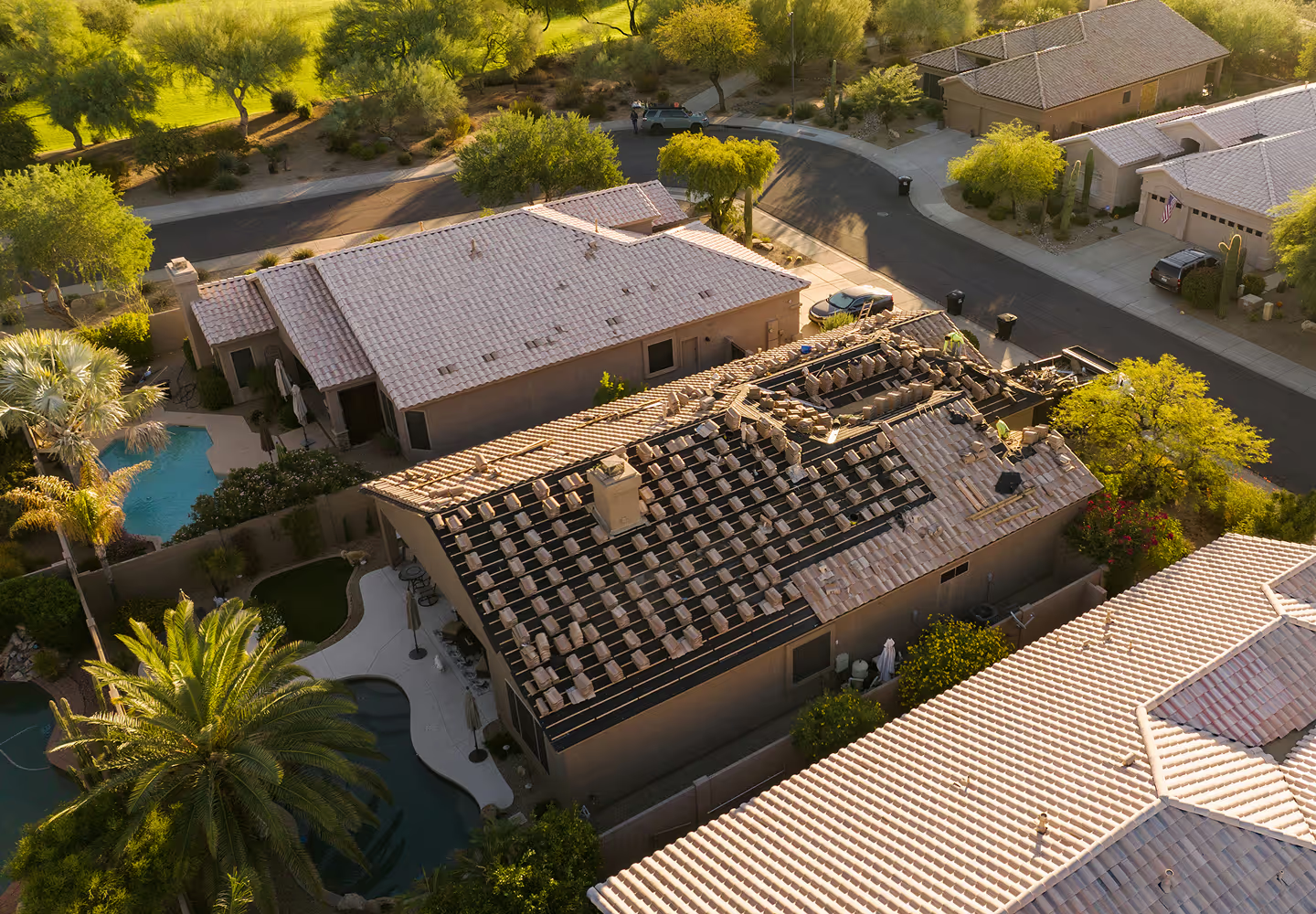
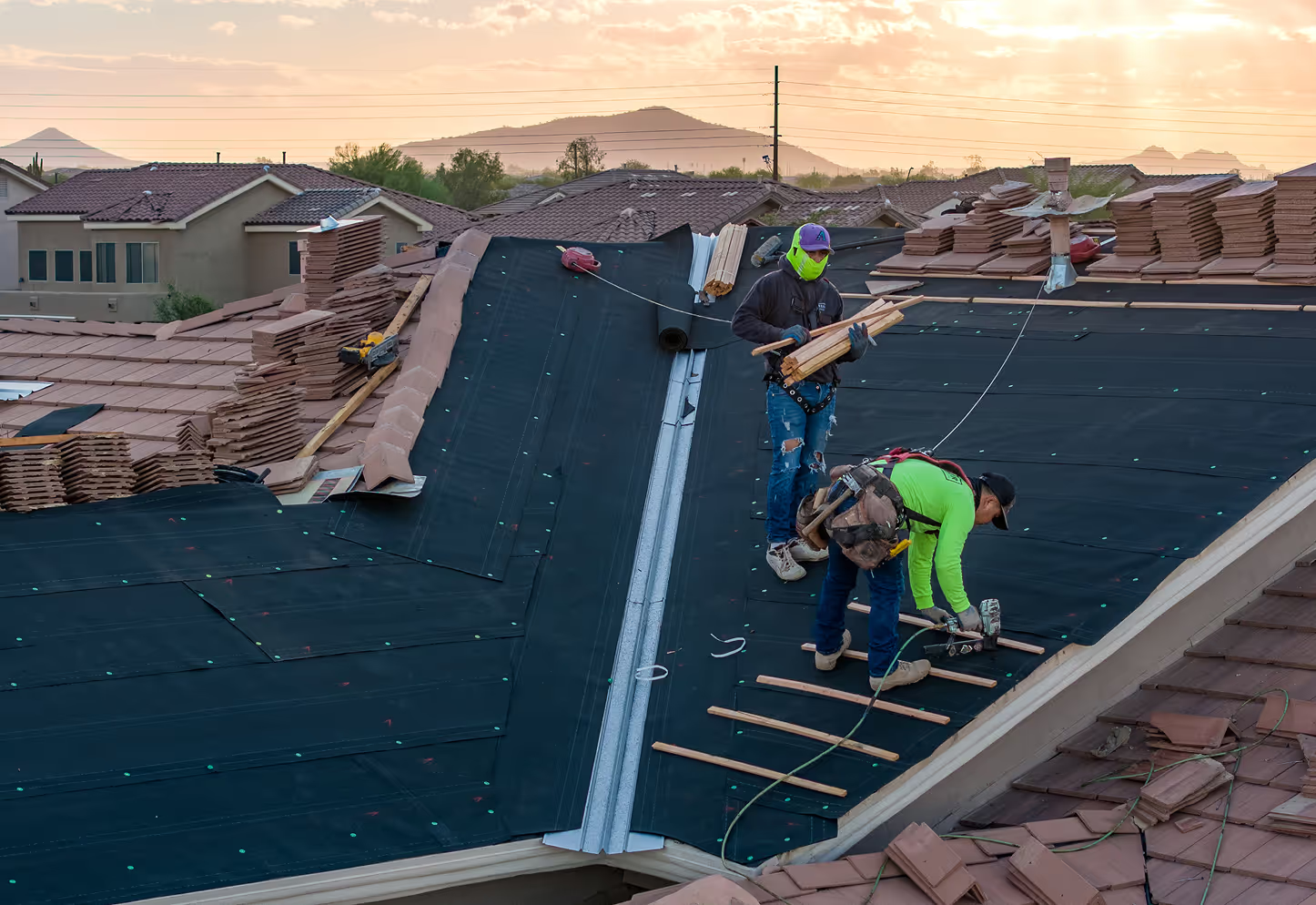
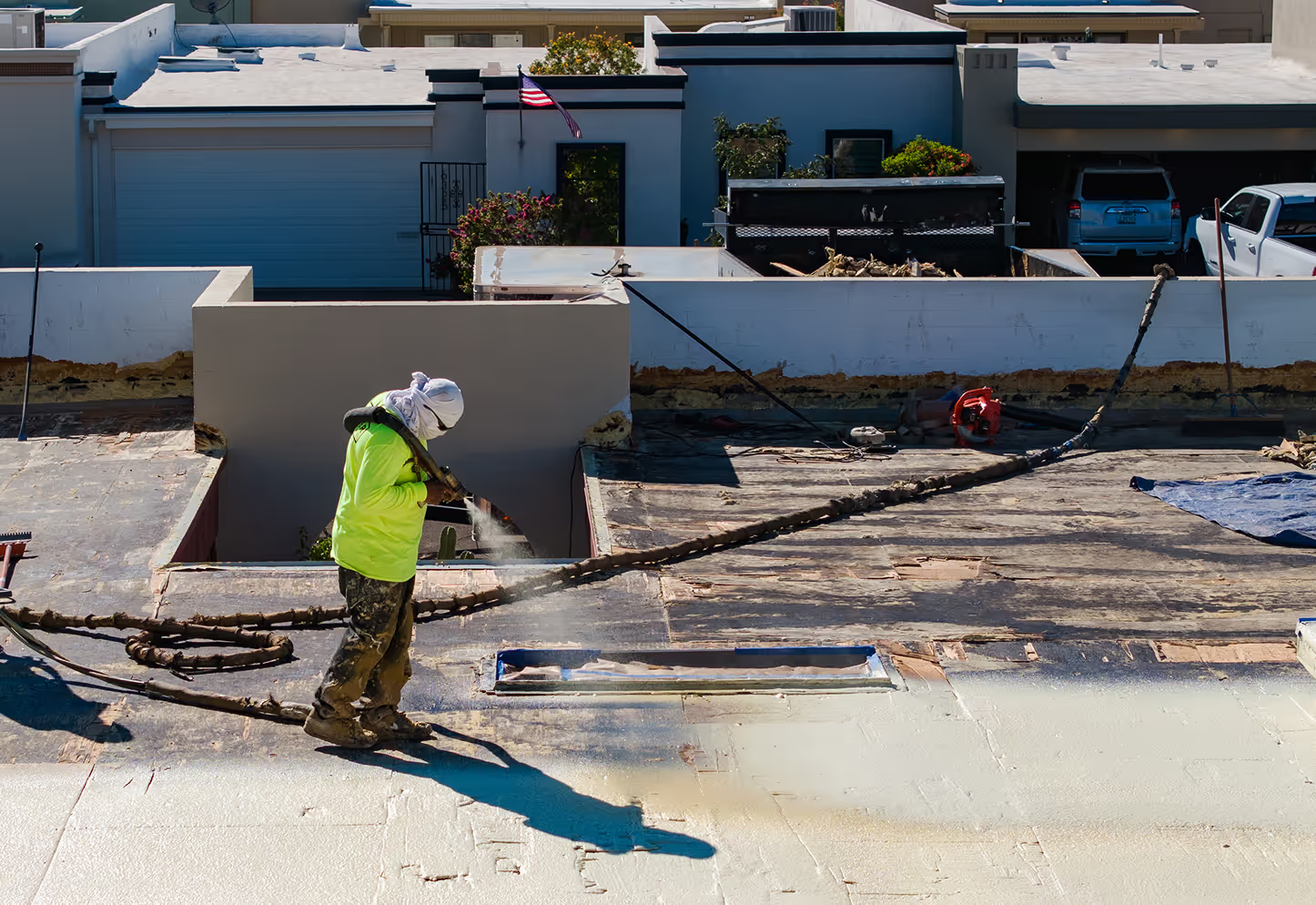
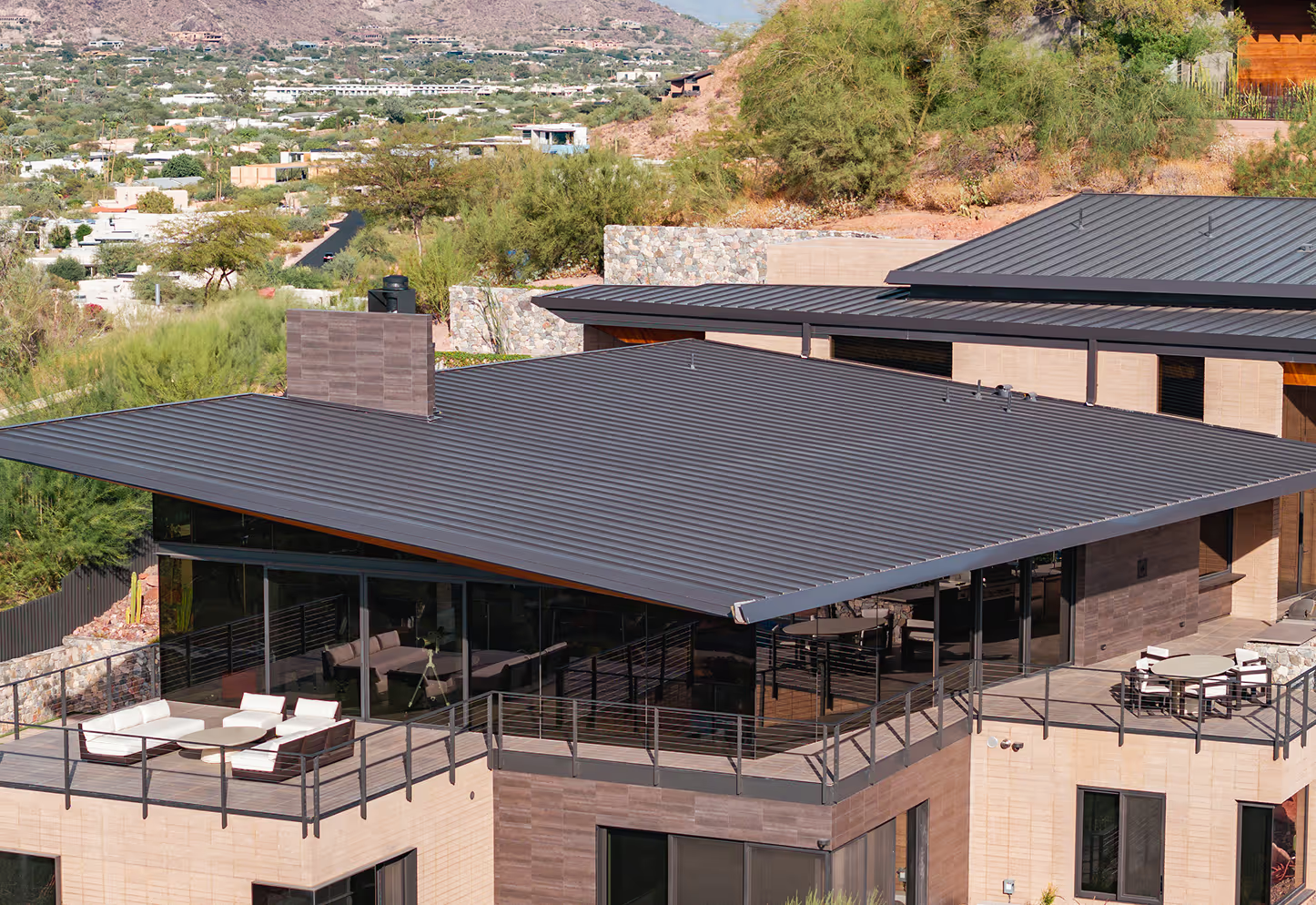
Active water intrusion inside the home
Visible dripping, wet ceilings, water running down walls.
Storm damage
Wind-lifted tile fields, missing membrane sections, tree strike, or debris impact.
Post-monsoon damage
Where the next storm system is inbound and the roof can't wait for a normal-turnaround appointment.
Hail damage
Where the timing matters for insurance claim documentation.
Skylight or roof-mounted equipment failures
That have compromised the weather envelope.
Often overlooked, but a common source of urgent repairs after a house fire.
A clear signal that water has been accumulating longer than you've been aware of it.
See what our clients say

Had our roof replaced by Mat and his team. First, Mat was incredibly patient with our overreaching and unreasonable HOA. He brought us multiple samples and did not ever complain or hesitate. Truth be told, I should pay him extra as a the...

What a pleasure it was to work with Behmer Roofing with our two roofing projects this past month. Replacing a roof is not something you do every day, nor is it something you really want to do...but the experience using Behmer was A++++...
From the first contact, via an actual (and accurate) quote I received in the mail, the process was smooth, friendly and fast! The price was significantly less than my neighbors have been paying so we moved ahead with the replacement of...

What to Do Right Now While You're Waiting
If you have active water intrusion, a few things you can do right now while dispatch is en route:
- Move furniture, electronics, and rugs away from the affected area.
- Place a bucket or container under the drip, and put a towel or blanket in the bottom of the bucket to muffle the sound and reduce splash.
- If you see a ceiling bulge from trapped water, poke a small drainage hole with a screwdriver in the lowest point of the bulge to let the water drain in a controlled way. This prevents the ceiling from collapsing under the weight.
- Do not go on the roof yourself. In a monsoon or high wind, a wet Arizona tile roof is a serious fall hazard.
- Take photos of the interior damage. These matter for insurance claims later.
- Turn off electricity to any circuits in the affected area if water is close to fixtures or outlets.
- Note the time the leak started, if you know it. This helps carriers correlate damage to a specific storm event.

Our Two-Step Emergency Process
Emergency roof repair happens in two phases: stabilize, then repair permanently. Doing both at once, in the middle of an active leak or storm, is how bad repairs get made. We separate the two so each one is done right.
- Phase 1: Emergency stabilization: A Behmer crew arrives, safely tarps or seals the affected area, and stops the active water intrusion. This is temporary but effective. It holds through the next storm event and buys time for a proper diagnosis.
- Phase 2: Permanent repair: We return on a scheduled visit (typically within the same week) to remove the temporary protection and install the proper permanent repair. This gives us time to source materials, wait for dry weather, and do the work correctly with the roof in a stable, inspectable state.

Common Emergency Scenarios and What We Do
Not every emergency is the same. The right stabilization approach depends on what's failing and where the water is coming in.
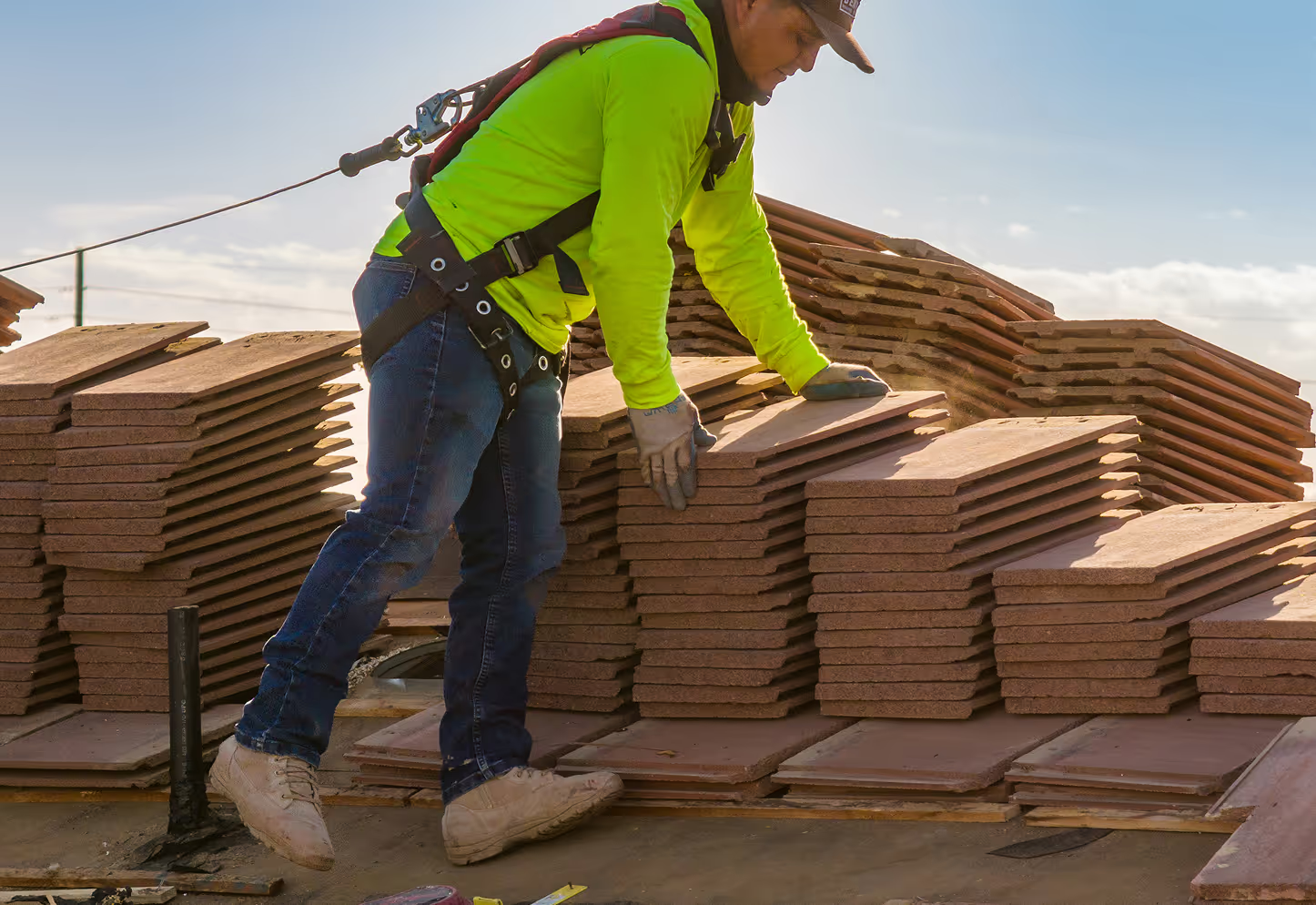
- Wind-lifted tile field after a monsoon microburst: we secure loose tiles, install temporary underlayment protection where the tile field has been displaced, and schedule permanent tile reinstallation once the weather clears.
- Membrane tear on a flat roof: we install a heat-welded or peel-and-stick patch to seal the tear, then schedule a proper permanent repair of the surrounding membrane.
- Skylight failure with active dripping: we cover the skylight with an emergency tarp system that seals the perimeter, then order a replacement dome and complete the repair on a scheduled visit.
- Tree strike: we clear enough debris to safely assess damage, install emergency tarping over the impact zone, and schedule structural and roofing repairs based on the full damage assessment.
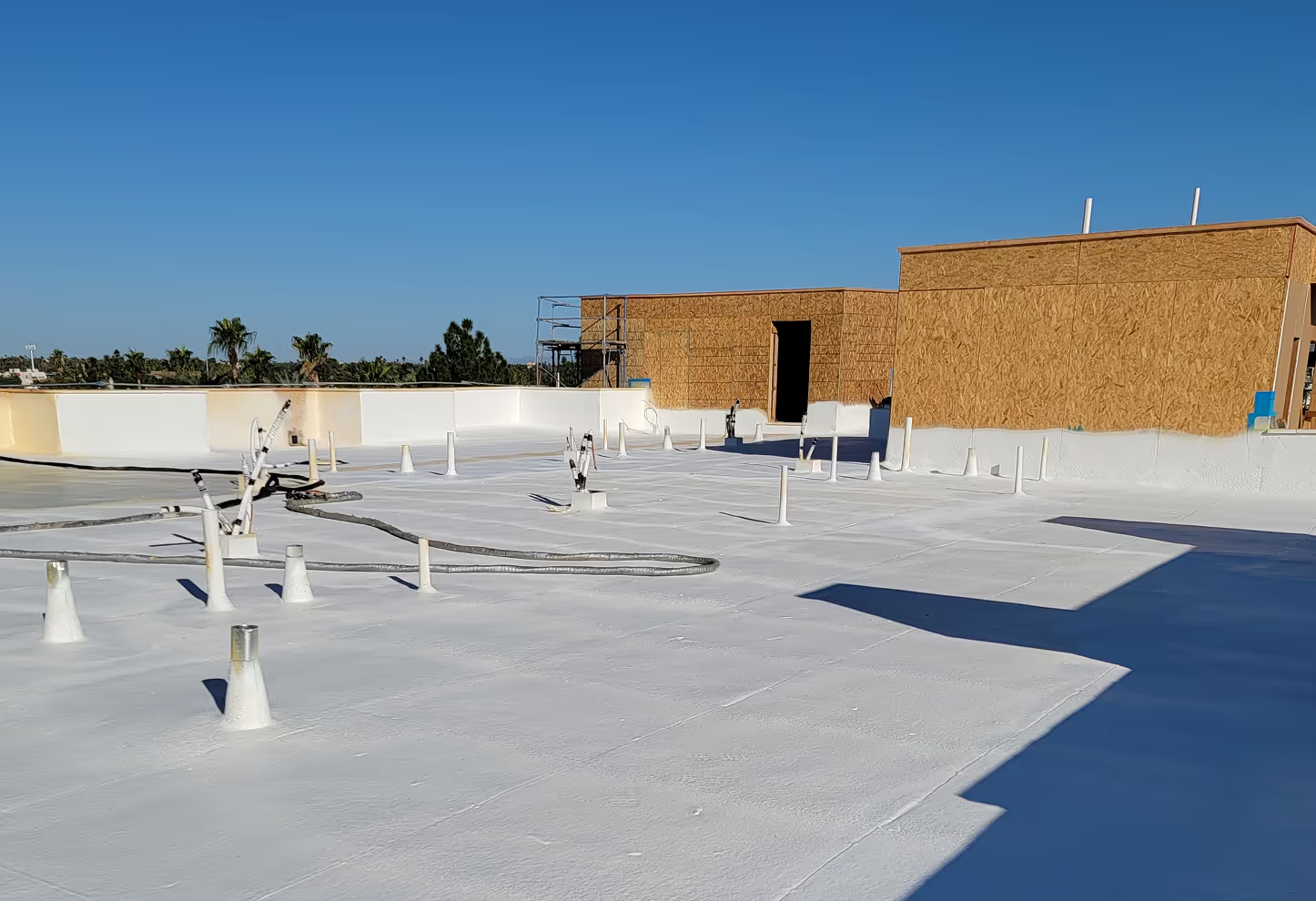
- Foam roof damage with active water intrusion: we cut out the damaged foam section, install a temporary weatherproof patch, and schedule proper foam replacement and top-coat application.
Insurance Claim Documentation
Most emergency roof repairs: especially those caused by monsoons, high wind, hail, or tree strikes, are eligible for homeowner's insurance coverage. Behmer documents everything for you at the emergency visit: dated photos, damage location diagrams, and a written scope of the emergency work performed. That documentation package is exactly what your insurance carrier needs to open and support a claim.
If you decide to file, we can meet the adjuster on-site during their inspection and walk them through the damage. If the claim is approved, we complete the permanent repair as part of the covered scope. If the damage doesn't rise to the level of a claim, you have a straightforward emergency repair invoice and it's over. Either way, you're not scrambling to find someone during a monsoon.
Call for Emergency Roof Repair Now
For active leaks and acute storm damage, call the office directly, do not use the web form for anything urgent. Dispatch will take your address, the nature of the emergency, and get a Behmer crew rolling as quickly as safely possible.